
Why patients choose us
Benefits of VJ Barnes Osteopathy
- Benefit 01 Makes a lasting difference Treatment targets the underlying cause so improvement holds beyond the consultation room.
- Benefit 02 Enjoying life without pain Return to the activities and routines pain has been keeping you from.
- Benefit 03 Increases rate of recovery Hands-on techniques speed the body's natural healing response.
- Benefit 04 Improved posture and health Rebalanced joints and soft tissues support better posture day to day.
- Benefit 05 Less dependent on painkillers Addressing mechanical causes can reduce the need for ongoing medication.
- Benefit 06 Higher energy levels Releasing chronic tension frees energy the body was spending on guarding.
- Benefit 07 Helps to restore normal tone to muscles and their covering soft tissues Hands-on techniques release tight bands and restore healthy muscle tone.
- Benefit 08 Helps to rebalance muscles and joints of the spine and limbs Articulation work brings the spine and limb joints back into balance.
- Benefit 09 Is a very thorough and highly effective approach A thorough examination guides a highly effective, individualised treatment plan.
Osteopathy is a specific way of diagnosing and treating physical problems in the spine and limbs. These can result from injury, following surgery or stress.
The osteopath seeks to understand the cause and effect of an ailment. Once these are known, the treatment is aimed at re-establishing normal pain-free function. This is achieved by reducing any inflammation present, restoring normal tone in the affected muscles and their covering soft tissues and increasing the range of movement in the joints.
FAQ
How osteopathy works
Short answers to the questions patients ask most often about osteopathic treatment.
-
What is osteopathy and how does it work?
Osteopathy is a hands-on therapy that treats problems with the muscles, joints and nerves. Vincent uses gentle joint articulation, manipulation and soft-tissue techniques to reduce pain, improve mobility and help the body heal itself. -
What happens during my first appointment?
The first appointment starts with a full case history and a physical assessment: posture, movement, and tests specific to your complaint. Vincent then explains what he has found and, if osteopathy is appropriate, begins hands-on treatment in the same session. -
Does treatment hurt?
Osteopathic treatment is generally not painful. Some techniques may cause brief discomfort where the tissue is already sensitive, and it is common to feel a little tender or tired for a day after treatment as the body adjusts. -
How many sessions will I need?
It depends on the condition, how long it has been there, and how the body responds. Many acute problems settle in one to three sessions; longer-standing complaints may need a short course of treatment plus home exercises. -
Do I need a GP referral?
No. You can book directly. If your condition needs a scan, a second opinion or a different professional, Vincent will tell you and, where appropriate, write to your GP. -
Would my condition get better on its own?
This depends on the condition you have and what you mean by "better". It is well documented that inflammation, which is one of the main causes of pain, will often subside within forty-eight to seventy-two hours. However, untreated strains and injuries cause the body to lay down scar tissue and lose flexibility — increasing the risk of re-injury without proper treatment. -
What is a slipped disc?
This is when one of the discs, which separates one vertebra from another, is injured and its wall bulges like that of a bicycle tyre. The bulge can press on nearby nerves, causing arm pain (brachial neuralgia) when it occurs in the neck, or posterior leg and thigh pain (sciatica) when it occurs in the lower back. -
How long is a treatment?
Initial and subsequent consultations last 30 minutes. -
What should I wear?
Wear loose clothing such as a pair of shorts or leggings and a baggy t-shirt — this allows the practitioner to examine and treat the affected area easily. -
Is there parking available?
Yes — there is free parking on the road next to the practice.
Life beyond pain
Get back to what you love
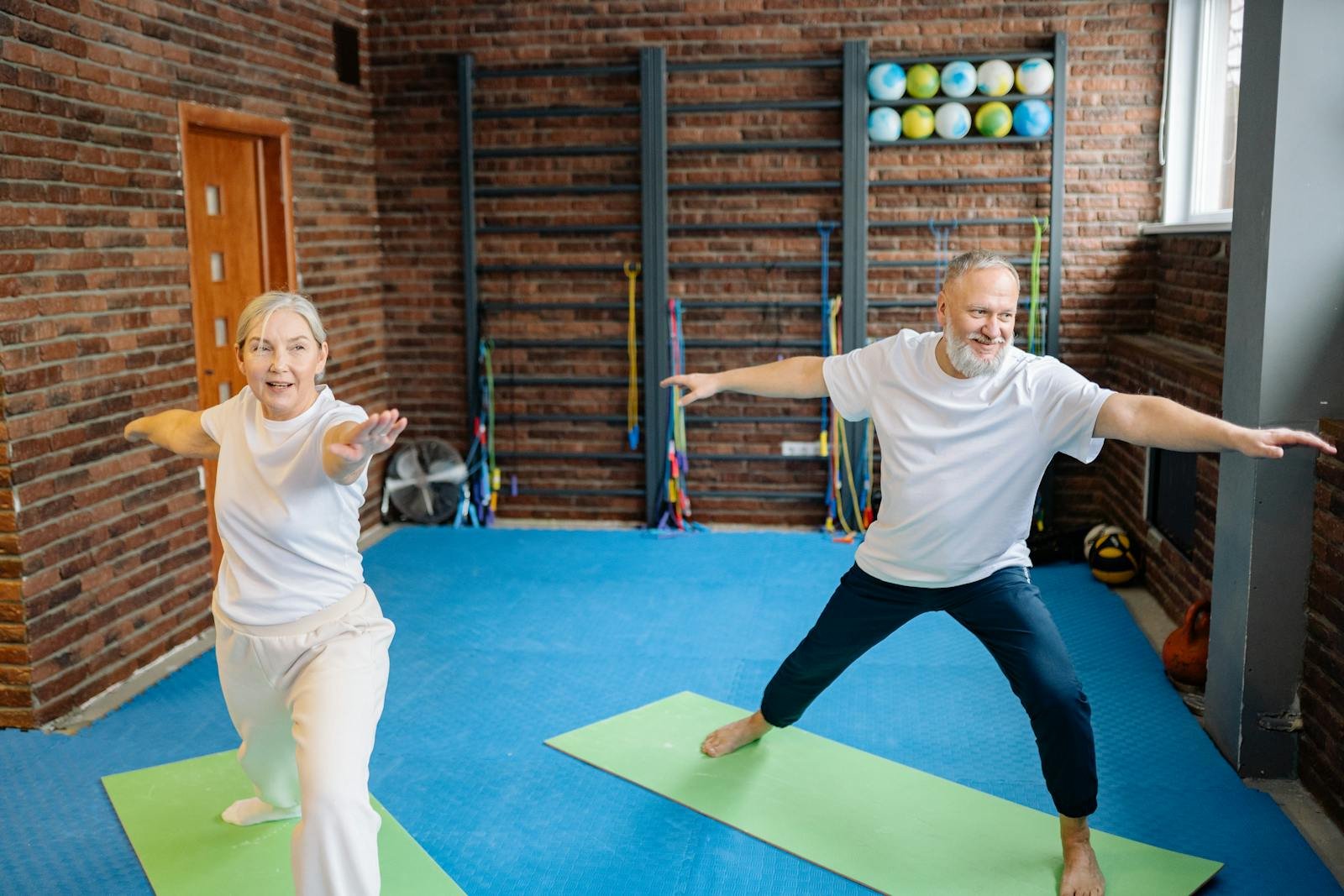
Treatment that lasts means more than just relief in the consultation room. It means returning to the activities, hobbies and routines that pain has been keeping you from.
Feel the difference.
Call the clinic and see how osteopathic treatment can work for you.